A Visit to Solitary Islands Aquarium
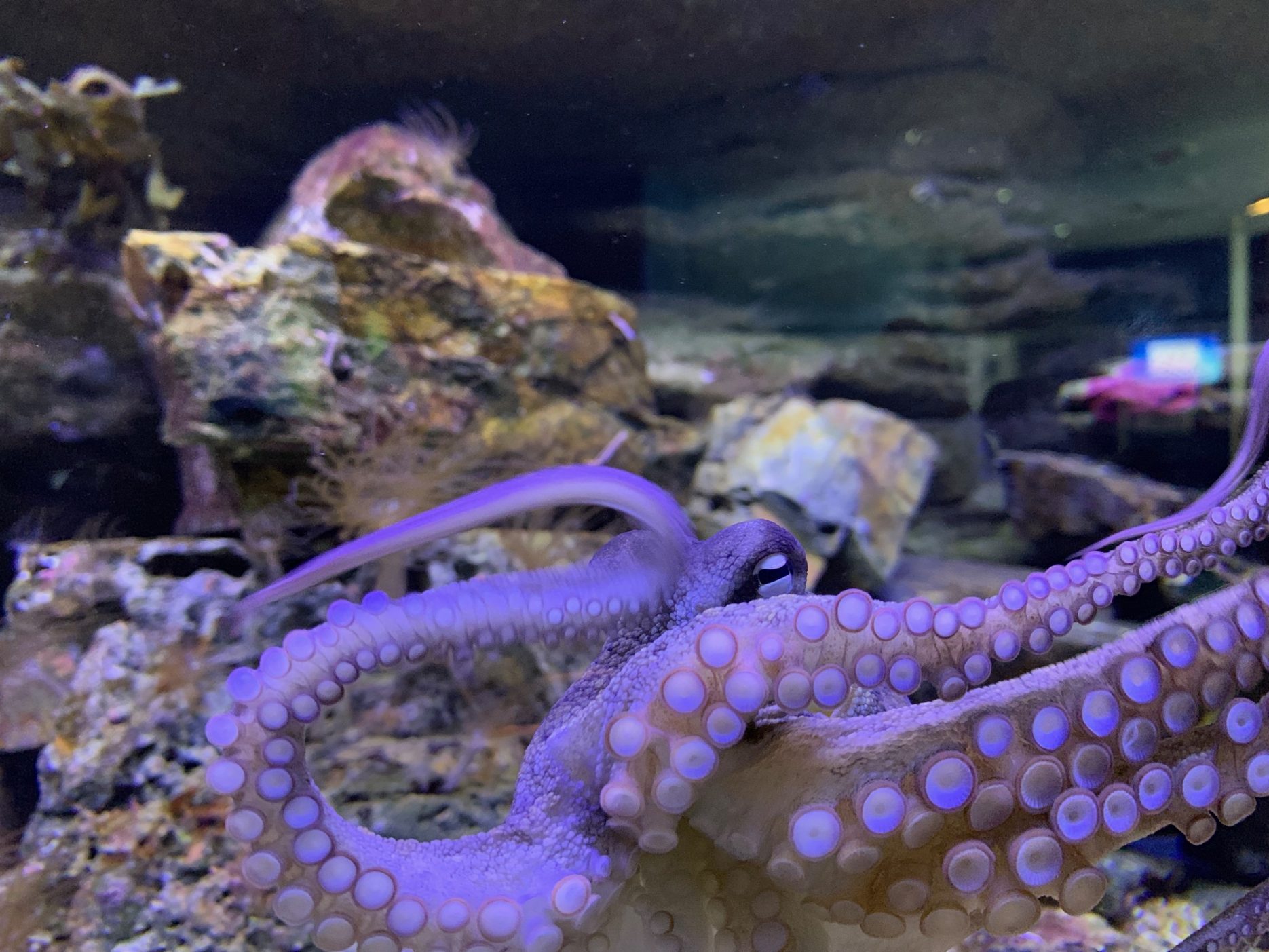
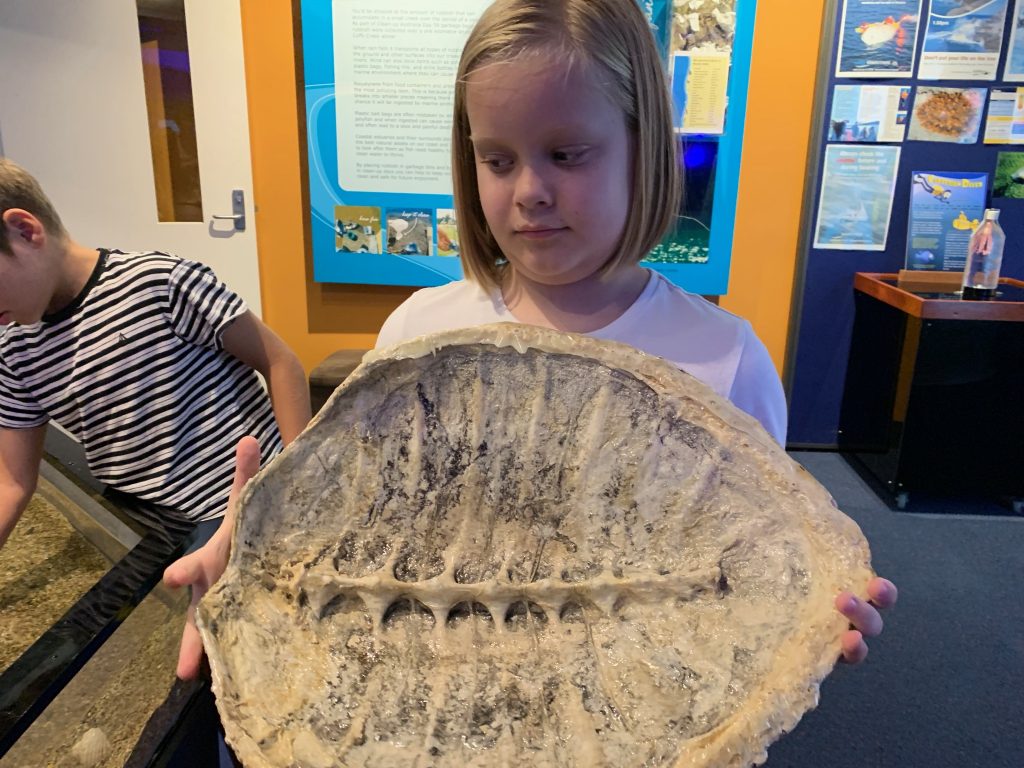
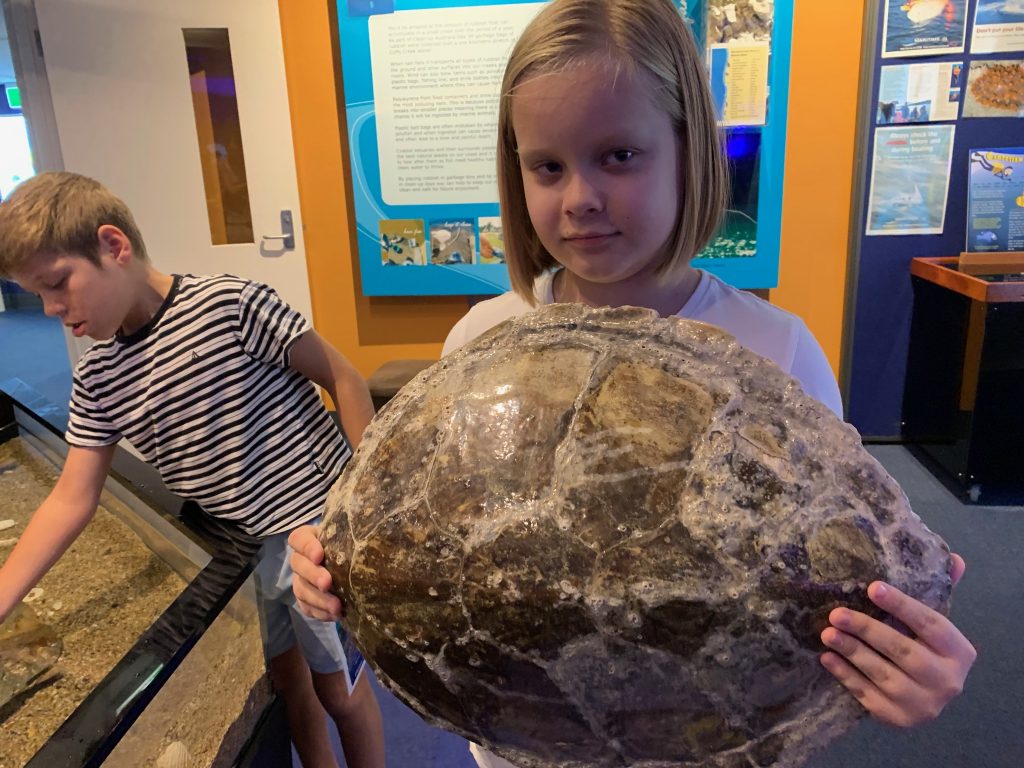
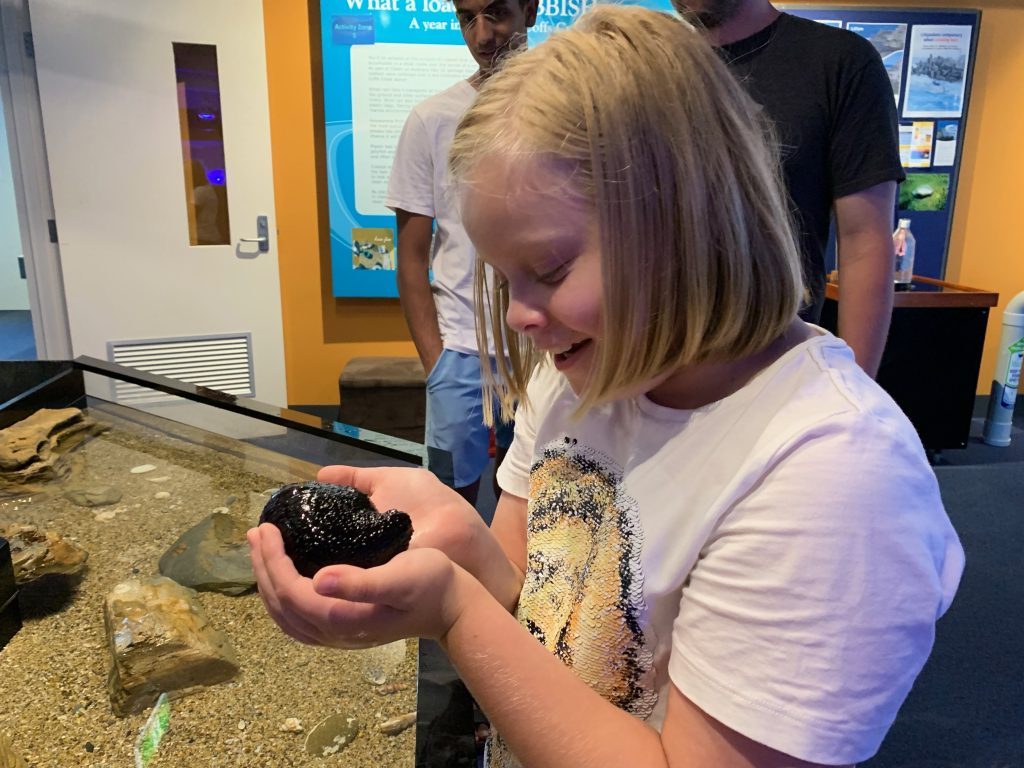
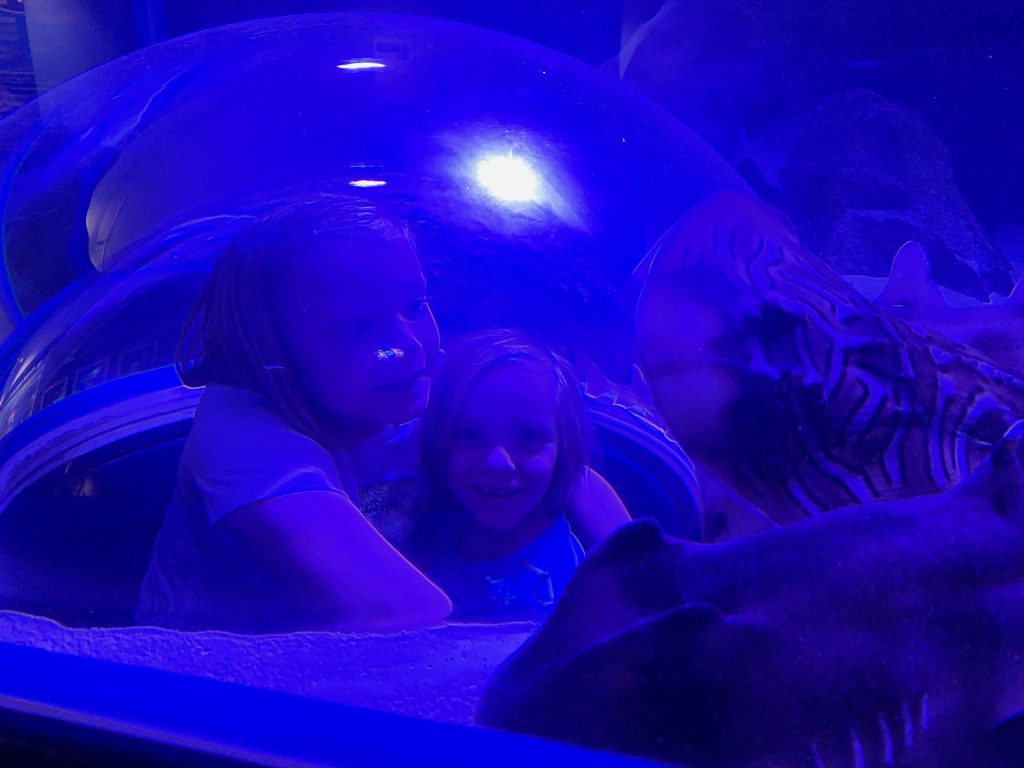
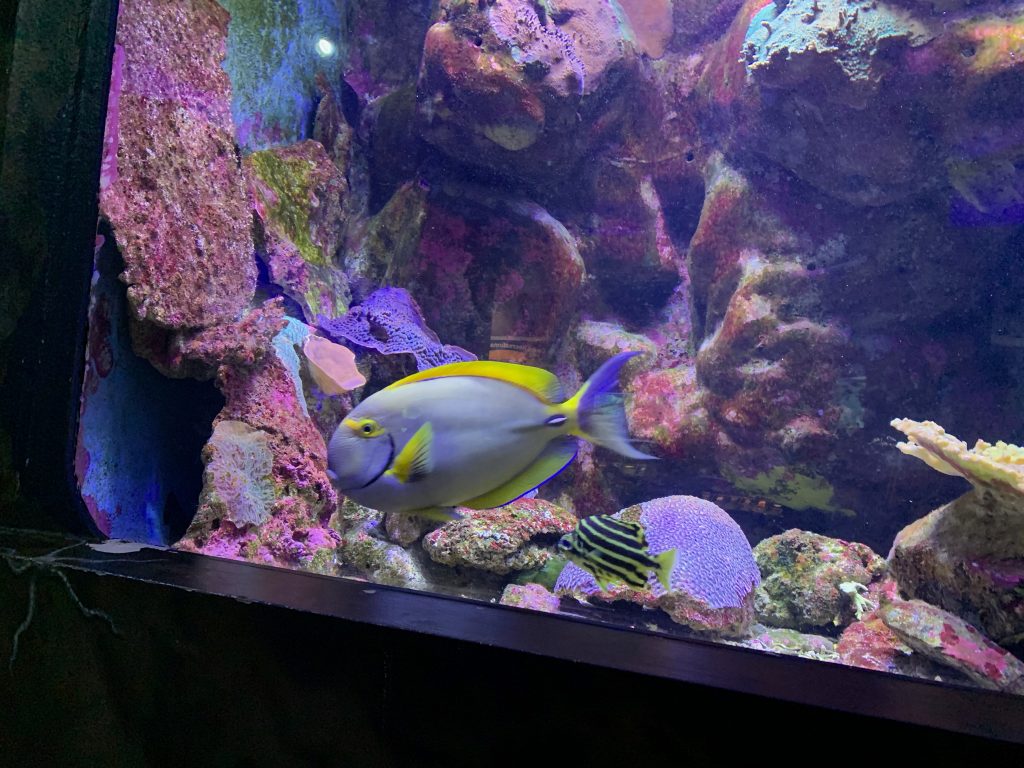
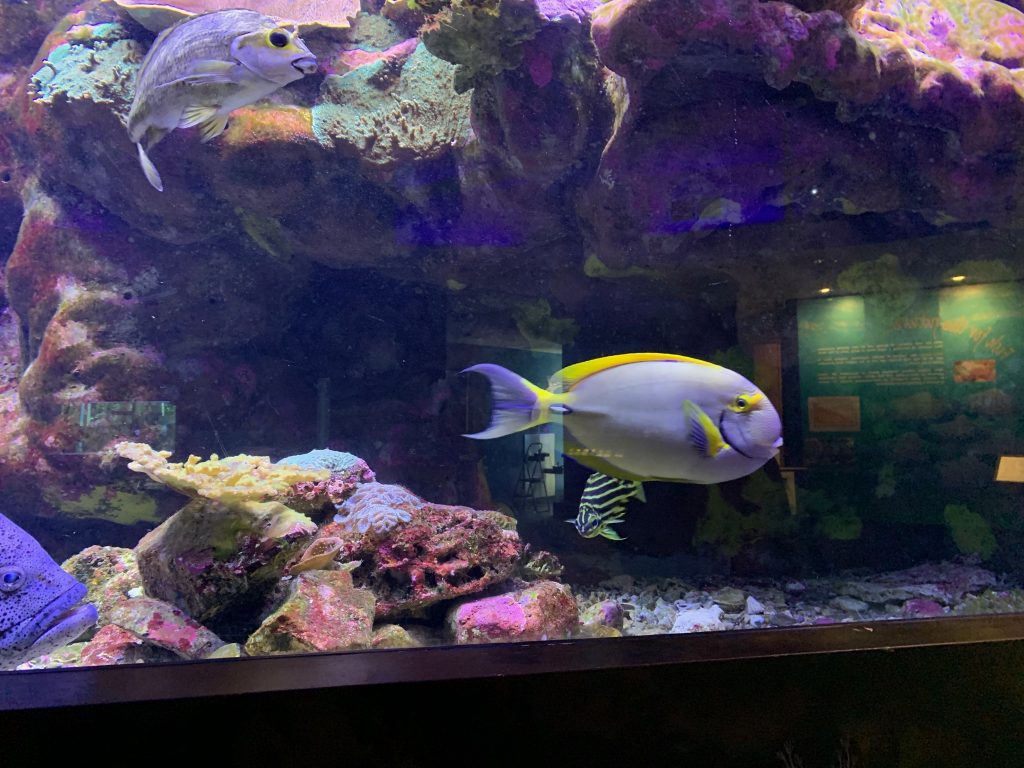
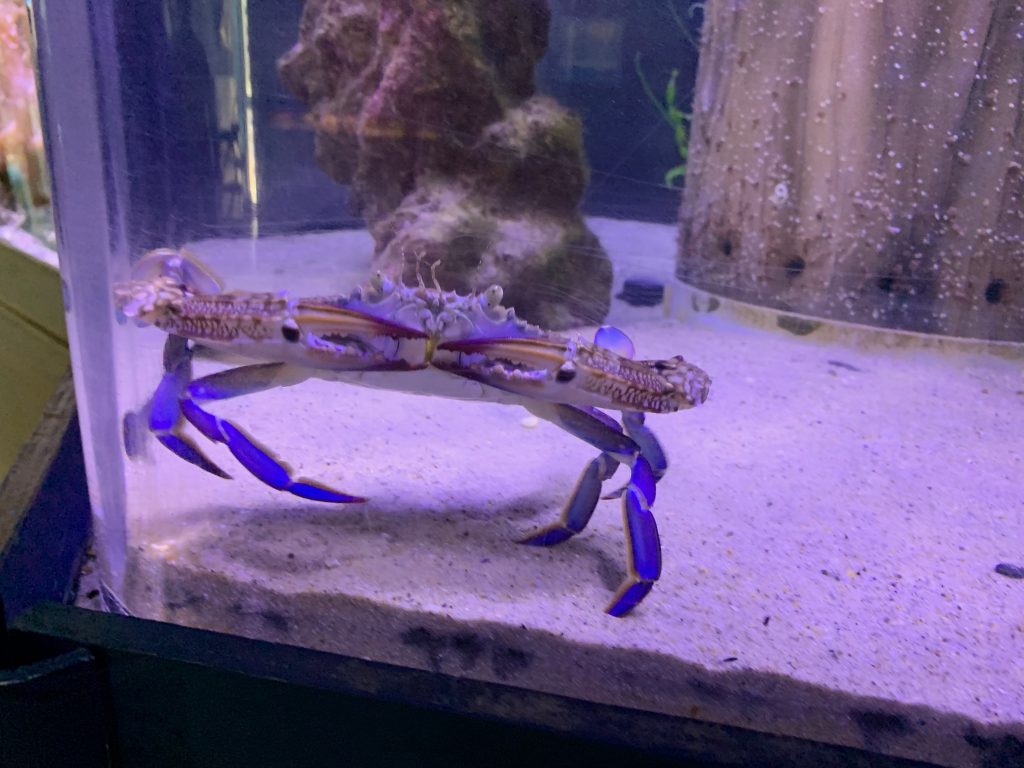
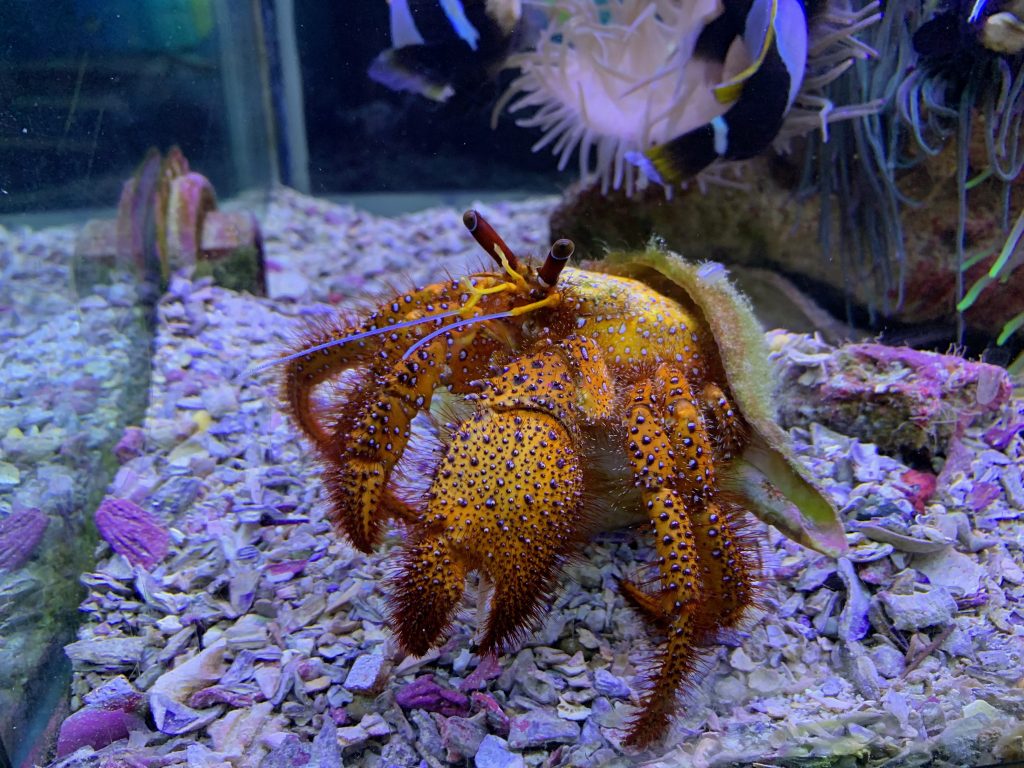
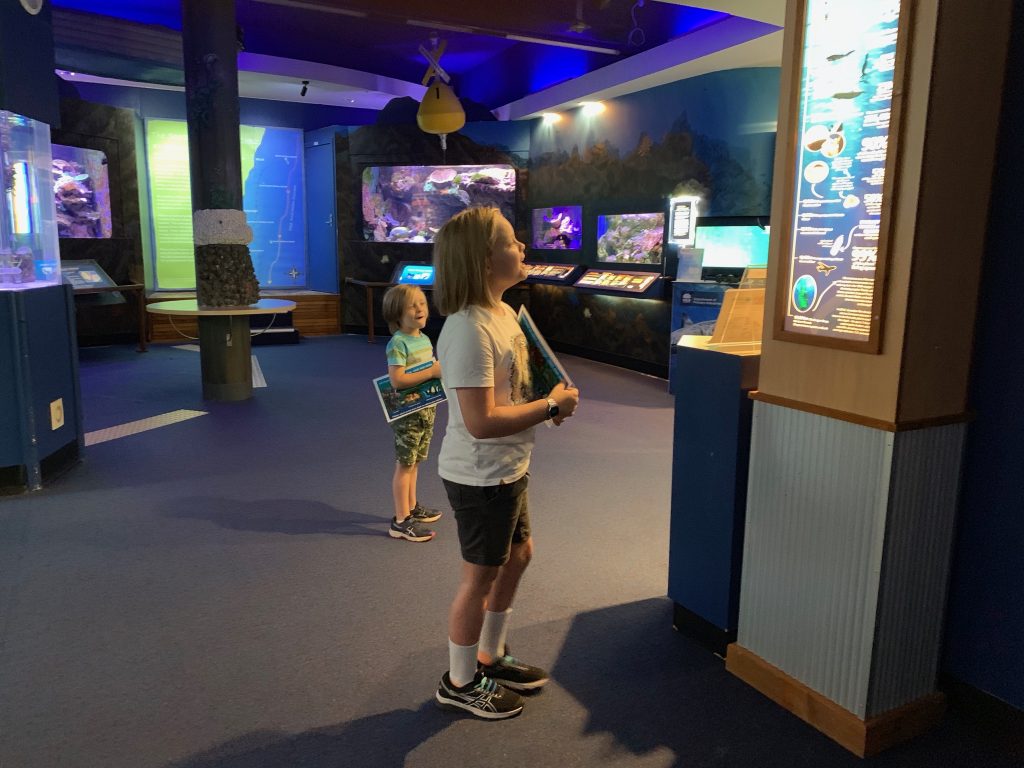
The boys and I visited the Solitary Islands Aquarium on Sunday. We have a 12 month pass so go often, and while it’s pretty small, we always learn new things and have new experiences.
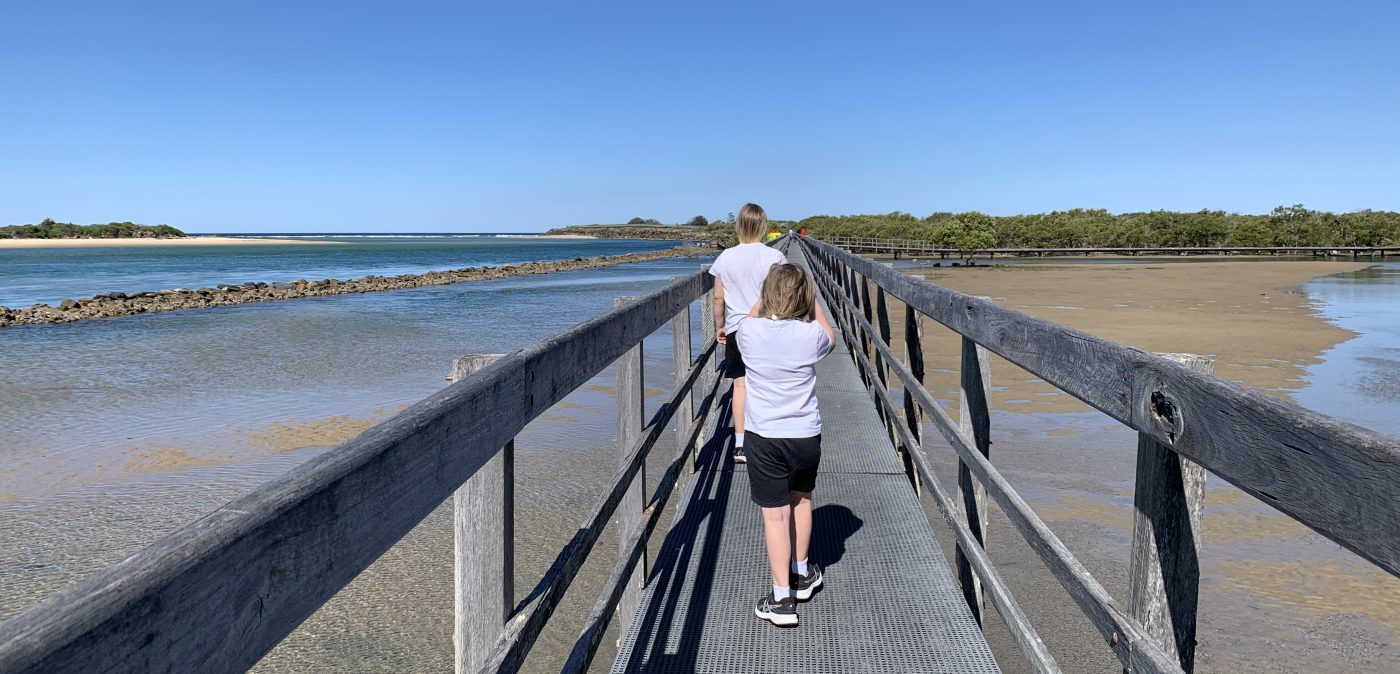
A lovely lady, Alice, gave a talk and we were fascinated to learn that Coffs Harbour, and it’s 75km long marine park, includes topical, subtropical and temperate regions ensuring it has an incredibly diverse habitats.
Why Solitary Islands Marine Park is Unique
The marine park contains:
- Diverse habitats – estuaries, sandy beaches, intertidal rocky shores, sub-tidal reefs and open oceans;
- the important Solitary Islands, from which the marine park takes its name.
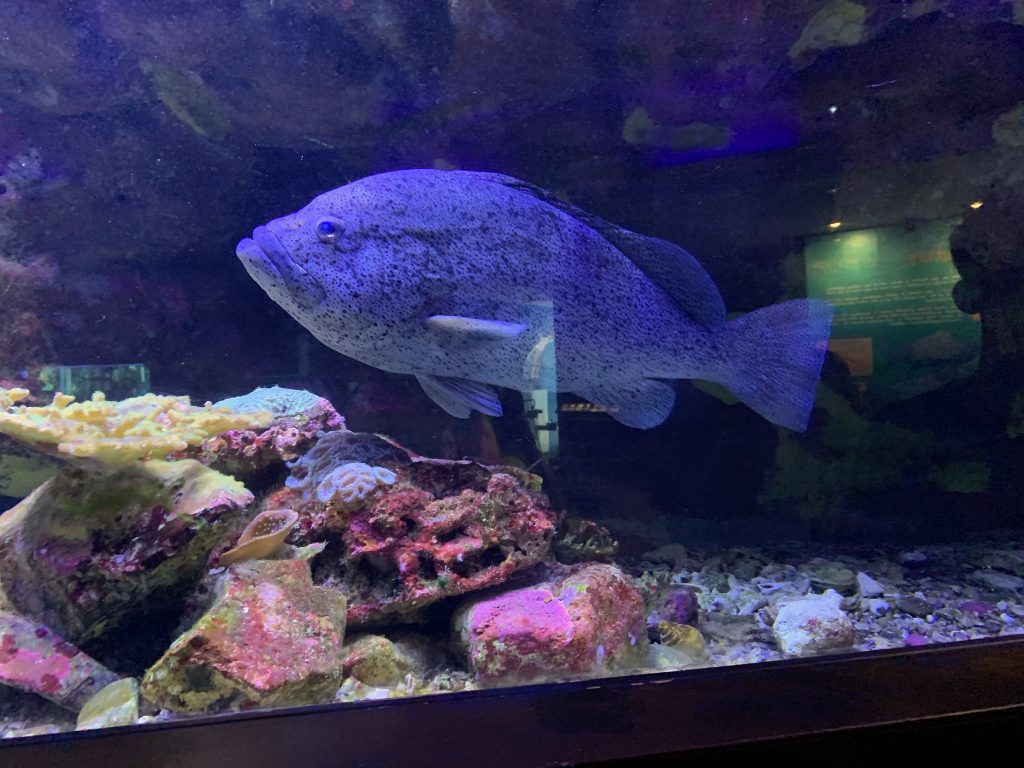
- More than 550 reef fish, 90 hard coral and 600 molluscs (shelled animals) species have been observed throughout the park.
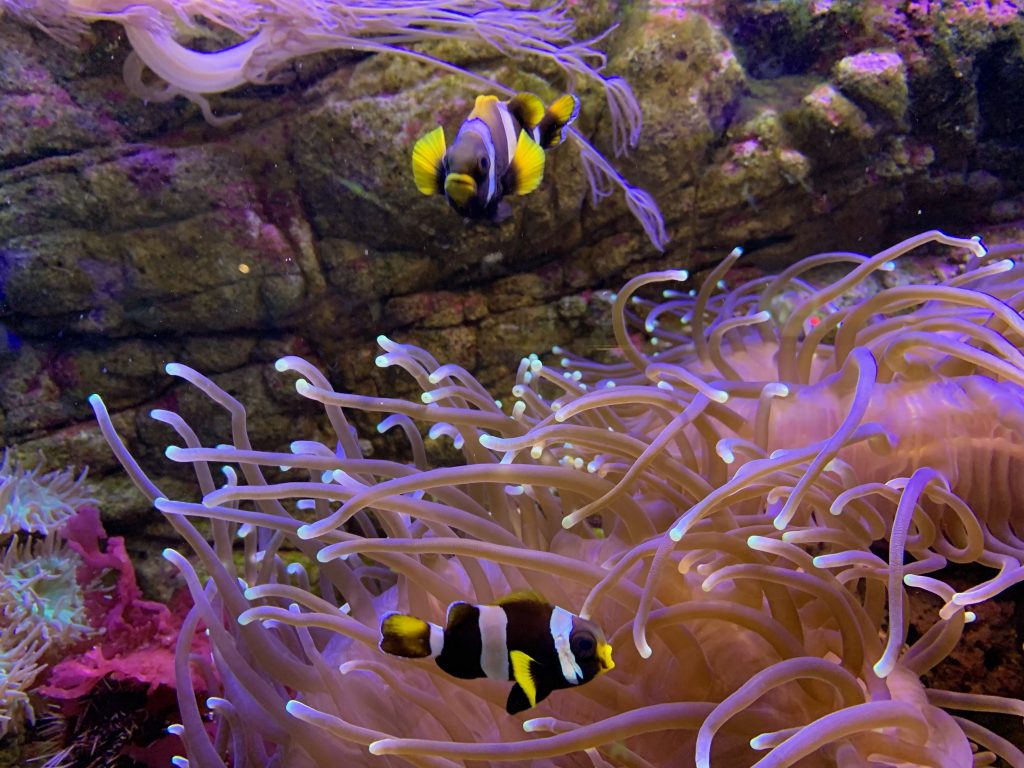
- North Solitary Island has the park’s highest reef fish diversity. Anemone Bay, at the Island’s northern end, is particularly diverse and supports the densest coverage of anemone and anemone fish world wide.
- South Solitary is renowned for its large pelagic fish, turtles and is also rich in shelled animals, with many marine snails and slugs, especially on the western side. It is the northern most breeding site recorded for the giant cuttlefish.
- The park’s northern estuaries are some of the state’s most pristine, largely because the majority of adjacent land is located in Yuraygir National Park.
- The local Aboriginal communities within the Gumbaynggirr Nation and Yaegl Nation have strong cultural links with the marine park and are actively involved in conservation planning.
From: https://www.dpi.nsw.gov.au/fishing/marine-protected-areas/marine-parks/solitary-islands-marine-park
Comments
🦈